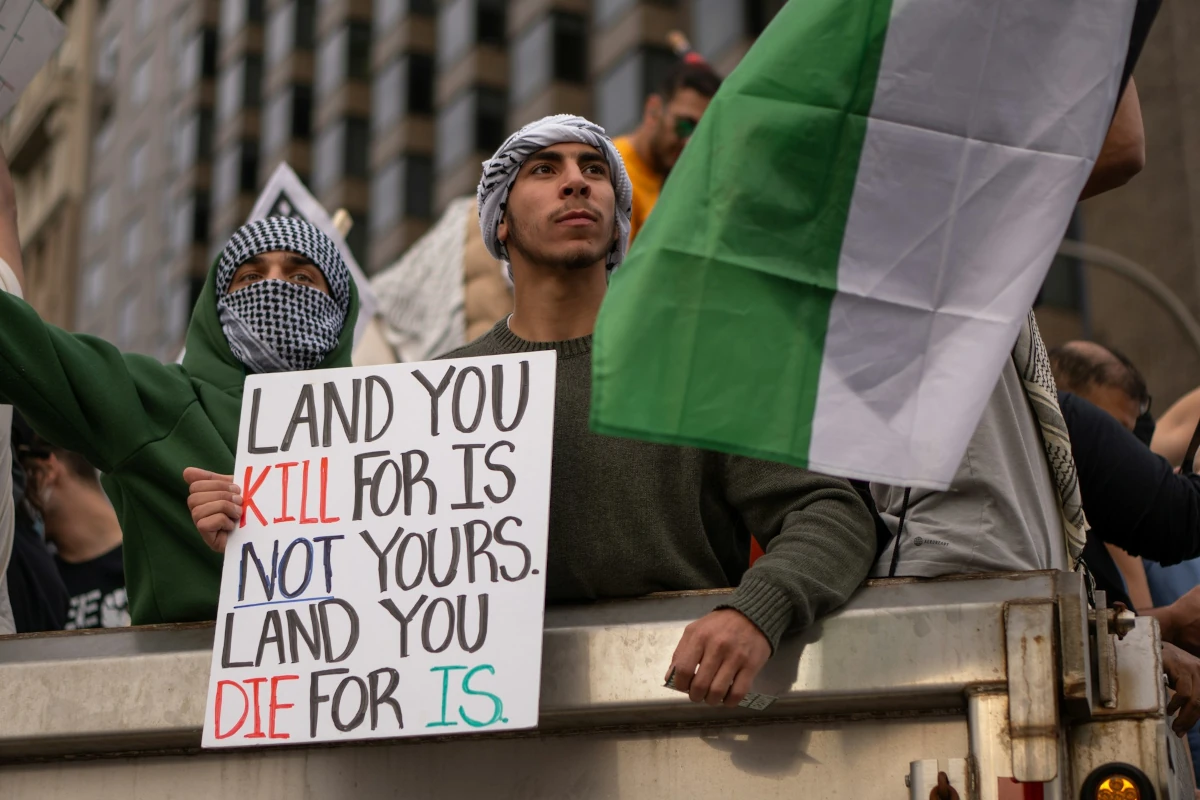
In the closing months of 2025, South Africa found itself at the crossroads of empathy and pragmatism, a nation known for its warmth and solidarity, now grappling with a complex humanitarian dilemma. Two groups of Palestinians, fleeing the relentless turmoil in Gaza, arrived on its shores without proper documentation—first on October 28th, and again on November 13th. In a gesture rooted in the country’s deep-seated values of compassion, the government granted them 90-day visa exemptions, offering a temporary refuge from the chaos of war. But as the news spread, it sparked a fiery and necessary debate, one that reveals the intricate balancing act of showing solidarity while facing practical realities at home.
For many South Africans, the instinct to help those escaping conflict is instinctive. “We understand what it means to need a haven,” said Fatima Mohamed, a community leader in Cape Town, echoing the nation’s history of resilience against apartheid and its ongoing struggles for justice. “To turn our backs on people fleeing violence would betray who we are.” Social media was flooded with messages of support, with citizens offering food, clothing, and shelter to the newcomers. The images of families reunited, children smiling in unfamiliar classrooms, and aid distributions in makeshift centres painted a picture of hope. Yet, beneath this spirit of ubuntu—a word that encapsulates humanity and interconnectedness—lay a chorus of concern.
“What about us?” asked Thabo Nkosi, a Johannesburg resident working multiple jobs to make ends meet. “Our streets are crowded, our lights flicker, and our hospitals are overstretched. Shouldn’t the government prioritise fixing our problems first?” It’s a question that doesn’t have an easy answer. South Africa’s challenges are stark: load-shedding disrupts daily life, housing shortages leave thousands in limbo, and unemployment remains stubbornly high. For many, the arrival of newcomers feels like an added strain on resources already stretched thin. “It’s not that we don’t care,” said Lindiwe Msimango, a nurse in Durban. “But our own people are suffering. How do we explain that to a child who goes to bed hungry?”
The government has assured the public that the visa exemptions are temporary and part of a broader effort to address the crisis, but the situation has ignited calls for a more structured immigration policy—one that honours South Africa’s humanitarian spirit while safeguarding the needs of its citizens. “We need a system that is fair, transparent, and sustainable,” said Dr Sipho Moyo, an immigration expert. “One that prepares us for such moments without neglecting the people already here.”
The investigation into these arrivals is ongoing, but one thing is certain: this moment forces us to confront a tough truth. Offering refuge is an act of kindness, but it can’t come at the expense of a community’s own well-being. The challenge now is to find a balance—one that keeps compassion alive without neglecting the needs of those already here. As South Africans debate the way forward, the world watches. Can a nation known for its heart also craft a solution that uplifts everyone? The answer lies in dialogue, empathy, and a commitment to justice for all—both within its borders and beyond.