There are moments in history when the world speaks clearly. And then there are moments when power clears its throat and refuses to listen.
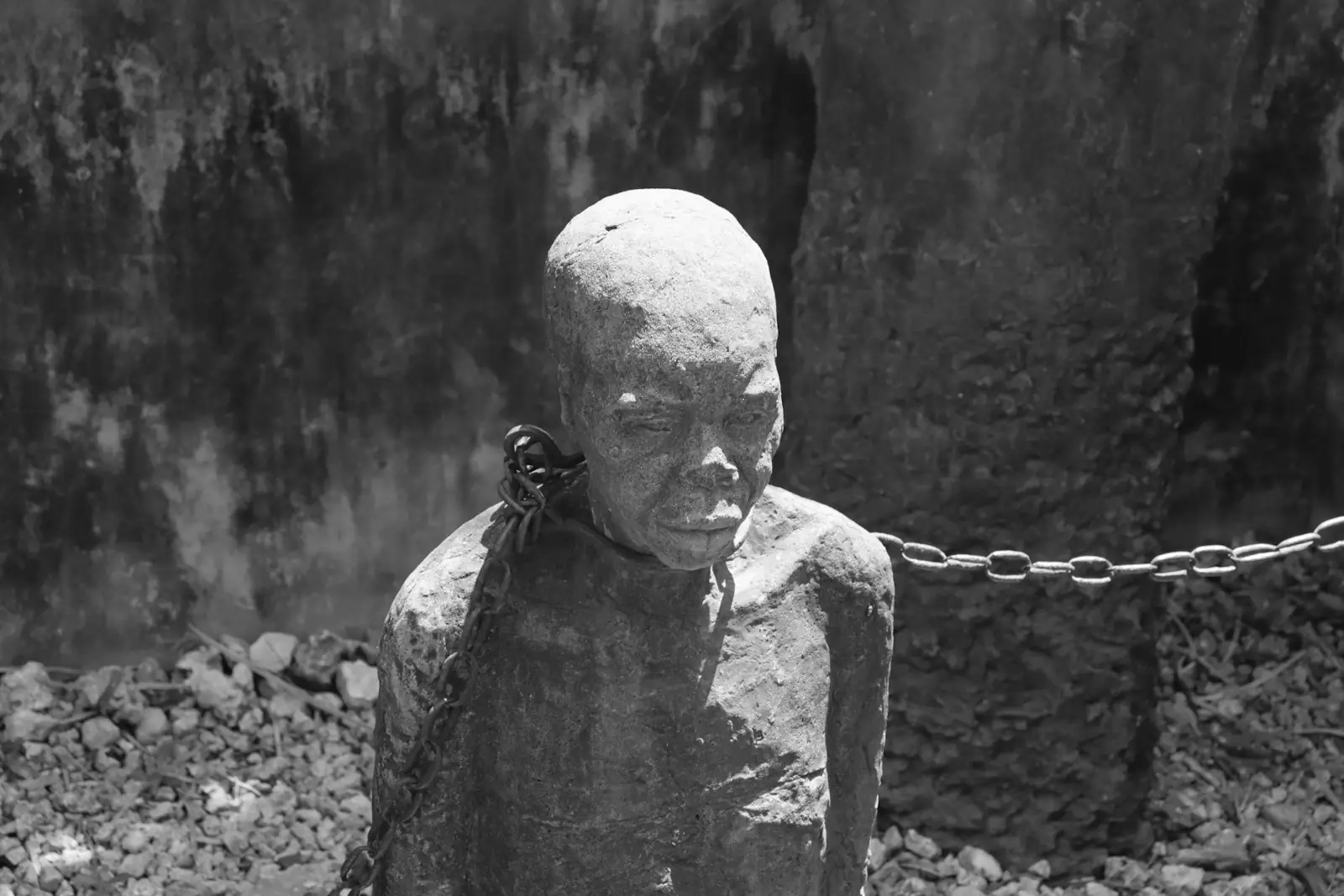
This week, the United Nations did something rare. It is named the transatlantic slave trade for what it truly was: the gravest crime against humanity. Not a footnote. Not a tragedy softened by time. A crime. Full stop.
Yet, in that same chamber, three nations stood apart. The United States. Israel. Argentina. They voted no.
And just like that, the past stopped being past.
Because for Africa—and for South Africans in particular—this was never about history alone. It was about memory, dignity, and the unfinished business of justice.
The world may move on quickly. But we cannot. Not when the bones of our ancestors still whisper beneath the soil.
A vote is never just a vote. It is a declaration of values.
The resolution, driven by African leadership, did more than condemn slavery. It called for reparations. It demanded recognition. It insisted that the brutality of centuries still shapes modern inequality.
That is where the discomfort begins.
Because once you admit that the crime still lives, you must also admit that justice is still owed.
And that is a price many powerful nations are not ready to pay.
The United States argued that reparations cannot apply to acts that were not illegal at the time.
But this logic feels thin on African soil.
Apartheid was once legal. Colonialism wore the mask of law. Pass laws were written into statute books. Yet no one today dares to argue that legality made them just.
So we must ask: whose law, and whose justice?
South Africa knows this tension well.
We live in a country where truth was negotiated, not fully delivered. Where reconciliation came, but economic justice limps behind. Where the scars of history still shape where people live, work, and dream.
So when the world debates reparations, it is not abstract for us. It is deeply personal.
It sits in Khayelitsha. It walks through Soweto. It breathes in Alexandra.
And yet, even as Africa speaks, the global response remains hesitant.
Fifty-two countries abstained from the vote, including the United Kingdom and much of Europe.
Neutrality, in moments like this, is not neutral. It is a quiet retreat.
But let us not pretend this is new.
Time and again, when the world edges close to confronting historical injustice, resistance appears. Sometimes it is loud. Sometimes it is wrapped in legal language. Sometimes it hides behind diplomacy.
We have seen it in debates over land. Over wealth. Over memory itself.
The pattern is familiar: acknowledge the pain, but resist the cost.
Yet Africa is no longer whispering.
There is a growing insistence, from Accra to Johannesburg, that history must be accounted for. Not out of revenge, but out of restoration.
Because a wound ignored does not heal. It deepens.
Still, there is another layer to this story.
The resolution does not carry legal force. It cannot compel nations to pay. It cannot rewrite economic systems overnight.
But it does something else. It shifts the moral centre.
It says, clearly, that the suffering of African people is not a side note in global history. It is central. It is defining.
And that matters.
Because before justice becomes policy, it must first become truth.
In the streets of South Africa, people may not follow UN votes closely. Life is too immediate. The price of bread, the search for work, the daily grind.
Yet this moment connects to all of it.
Because inequality did not fall from the sky. It was built. Systematically. Globally.
The slave trade fed empires. It funded industries. It shaped the modern world.
To deny its lasting impact is to deny reality itself.
So what now?
Africa must continue to speak. Loudly. Clearly. Without apology.
But more importantly, Africa must define what justice looks like on its own terms.
Reparations are not only about money. They are about power. Access. Opportunity. Ownership.
They are about rewriting the future, not just correcting the past.
And that work cannot wait for permission.
This UN vote has exposed something uncomfortable.
Not everyone is ready for truth when it demands action.
But it has also revealed something powerful.
Africa is no longer waiting to be heard.
It is speaking.
And this time, the world cannot pretend it did not listen.