The Hard Truth? South Africa is Hanging by a Thread
Electricity is unreliable. Schools are broken. Crime is rampant. Millions are jobless, hopeless, and voiceless. The so-called “Rainbow Nation” is bleeding—economically, socially, morally. Into this chaos, President Cyril Ramaphosa has announced a National Convention set for August 15—a grand dialogue where “all sectors” will help define the country’s future.
But let’s not be naïve: talk alone won’t save us.
We’ve had commissions, summits, imbizos. We’ve “dialogued” for decades while inequality deepened and hope thinned out like a tattered flag. So here’s the real question: Is this a new beginning or just another distraction while the country collapses slowly?
The Dialogue Trap Is Real
South Africa doesn’t suffer from a lack of talking. We are experts at it. We talked our way out of apartheid. We’ve hosted the TRC (Truth and Reconciliation Commission), countless policy forums, state-of-the-nation speeches—yet here we are: load shedding in the dark, potholes for roads, schools without textbooks, and a police service barely able to protect its own.
Dialogue without delivery is deception. It’s pain wrapped in protocol. It makes politicians look busy while the country starves.
Democracy Is Not a Stage Play
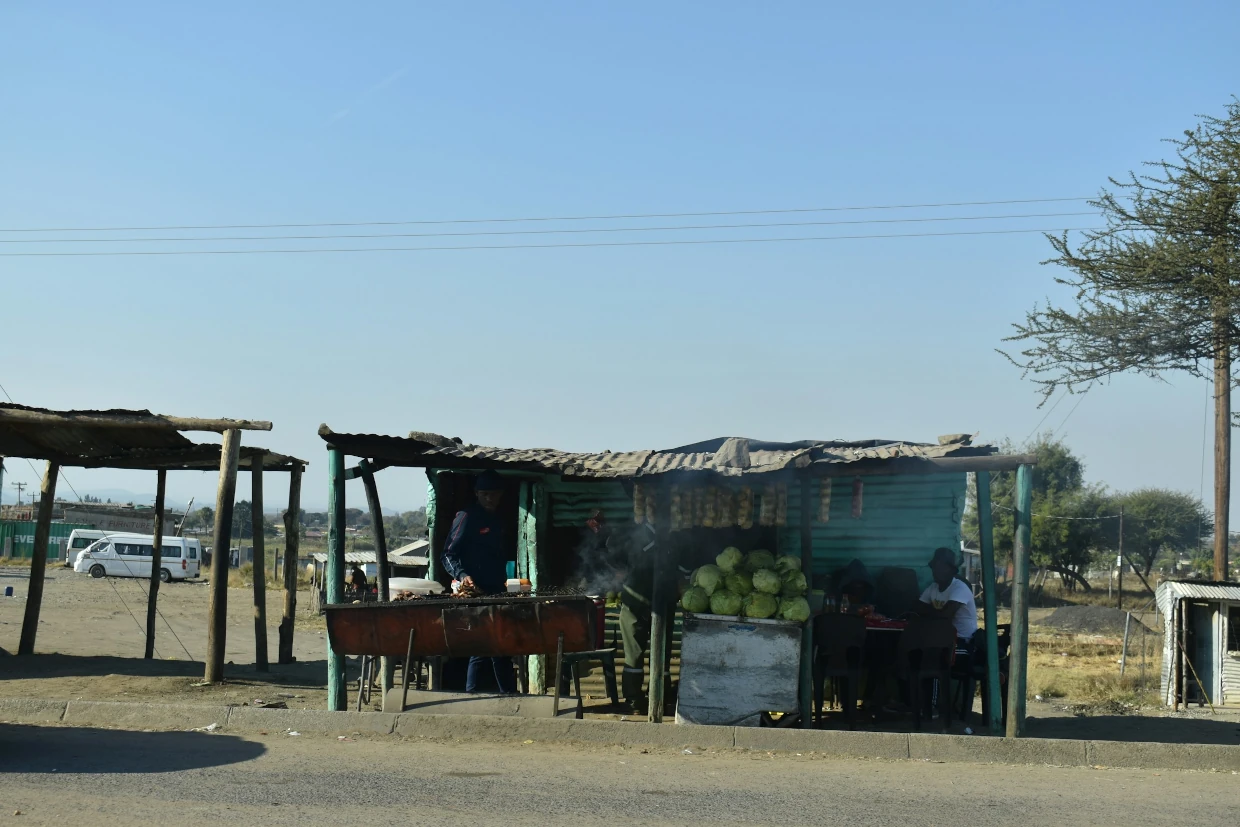
Ramaphosa wants a national conversation with church leaders, CEOs, judges, and sports stars. That’s all well and good. But where are the domestic workers? Where are the unemployed graduates queuing at SASSA? Where are the spaza shop owners getting looted without justice?
If this Convention sidelines the very people suffering the most, it becomes a performance for the elite. Democracy isn’t a suit-and-tie affair. It’s messy, raw, and unfiltered—and it belongs in taxi ranks, community halls, and street corners.
We’re Ruled by Fear, Not Vision
Here’s the brutal truth: too many in power are afraid. Afraid to tackle land reform. Afraid to dismantle the rot in public service. Afraid to make enemies of their comrades-turned-tenderpreneurs. Political cowardice has become our national religion, and we worship it at the altar of “consensus”.
Now, instead of bold action, we’re being handed dialogue as a substitute for vision. But what good is a social compact if no one sticks to the terms?
Where Are the Young Lions?
It’s 2025. The majority of South Africans are under 35 (over 60%). The future belongs to the youth, but they’re being left out of the room once again. The Eminent Persons Group includes icons, sure, but it plays it safe. Where are the radical thinkers, the grassroots organisers, the TikTok voices disrupting narratives?
You cannot talk about 2030 without inviting those who will live it. You cannot reimagine South Africa’s future without the people who’ve never experienced the promises of its past.
Unity Must Be Earned, Not Announced
You can’t engineer national unity in a press release. Unity doesn’t come from photo ops or carefully curated panels. It comes when the government delivers clean water, safe streets, and honest leadership. It comes when people feel seen, not manipulated.
Until leaders prove they’re willing to act on the outcomes of these conversations, all this talk of “shared values” is just branding.
Now’s the Time to Act—Not Just Watch
This isn’t just about what politicians say in conference halls. It’s about what we do in the streets, churches, classrooms, and homes.
Speak up. Organise locally. Push for youth inclusion. Demand transparency. Hold leaders to their words. And when the next election comes, make your vote count—don’t reward political theatre with political power.
What Kind of Future Are You Fighting For?
This isn’t a time for spectators. It’s a time for voices that shake foundations. For solutions that are loud, inconvenient, and unstoppable.
So let’s end with this:
What kind of South Africa are YOU willing to fight for—and will you let this National Convention be shaped without your voice in it?
Let’s talk. Let’s argue. But most importantly, let’s act.