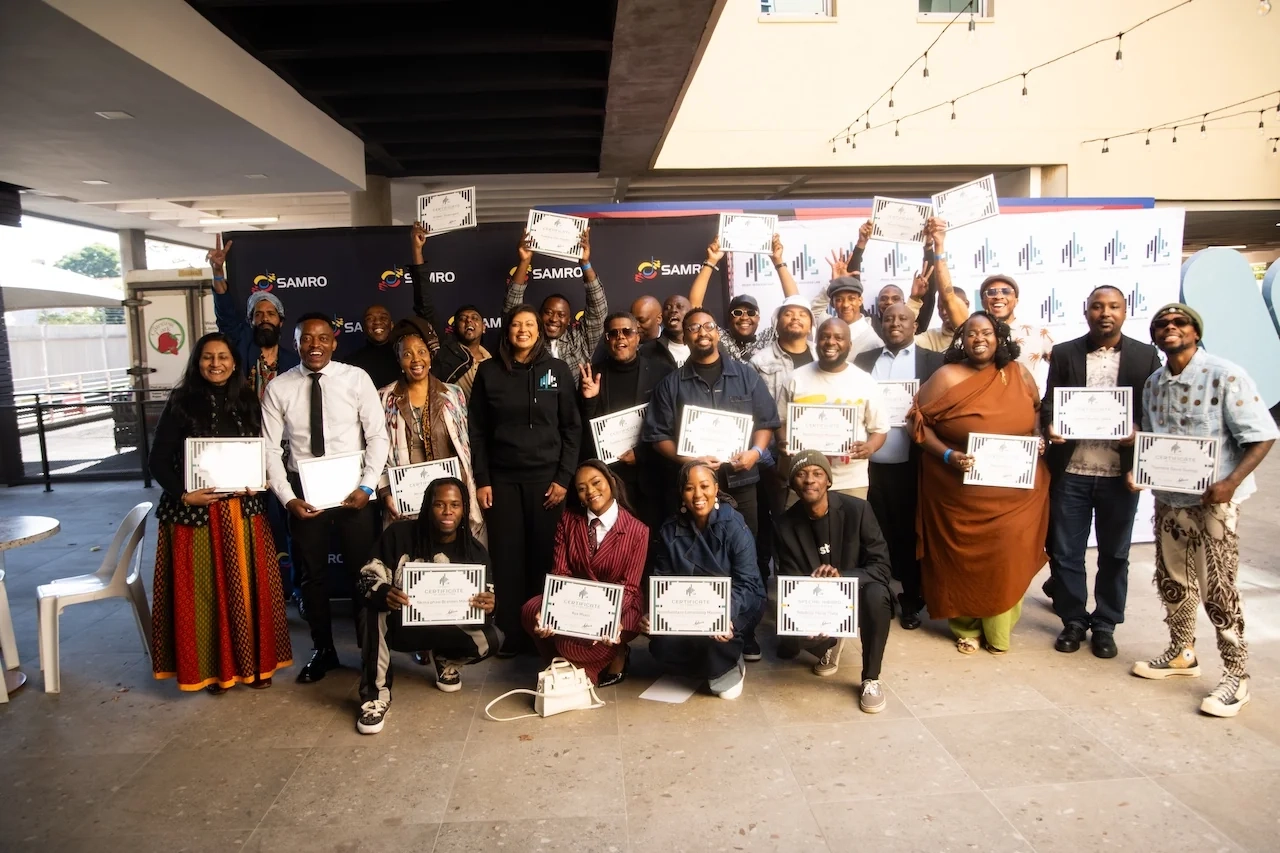
Johannesburg is once again proving why it sits at the centre of South Africa’s music economy. At the Warner Music Group offices in the city, 50 emerging music entrepreneurs recently marked the completion of the Music Business Lab (MBL) SAMRO Publishing Programme — a milestone that speaks less about ceremony and more about the shifting future of the local music industry.
The cohort, drawn from across the country, including Cape Town, Durban, Bloemfontein, Rustenburg and Limpopo, gathered on Friday, 29 May 2026, to celebrate the end of an intensive programme designed to bridge a long-standing gap in the industry: the divide between creative talent and business knowledge. Selected from hundreds of applicants, the group included artists, producers, songwriters, publishers and creative entrepreneurs, all investing in understanding how to turn creativity into sustainable careers.
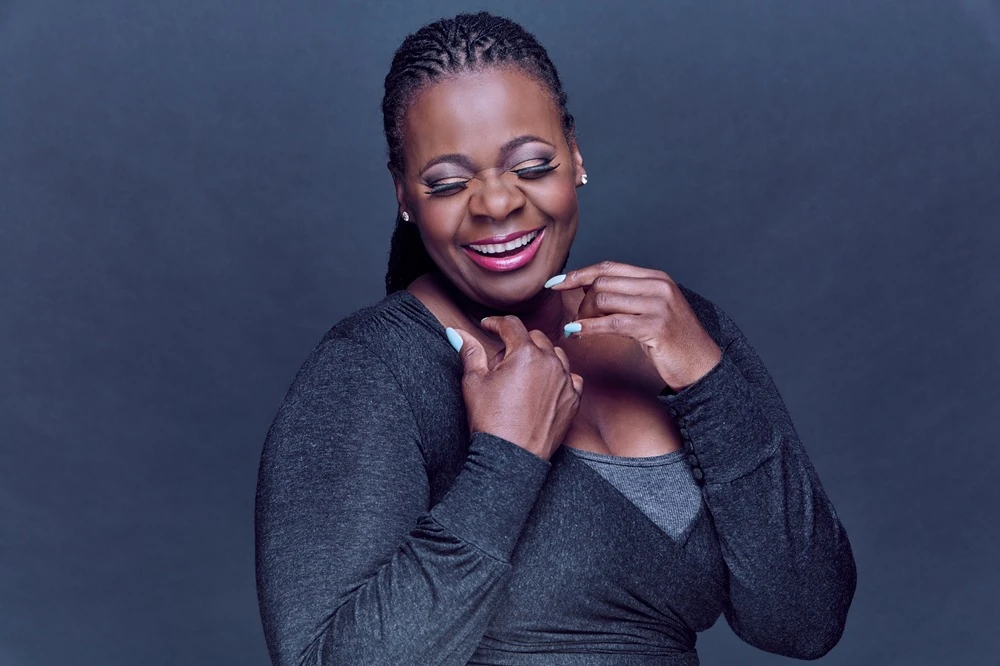
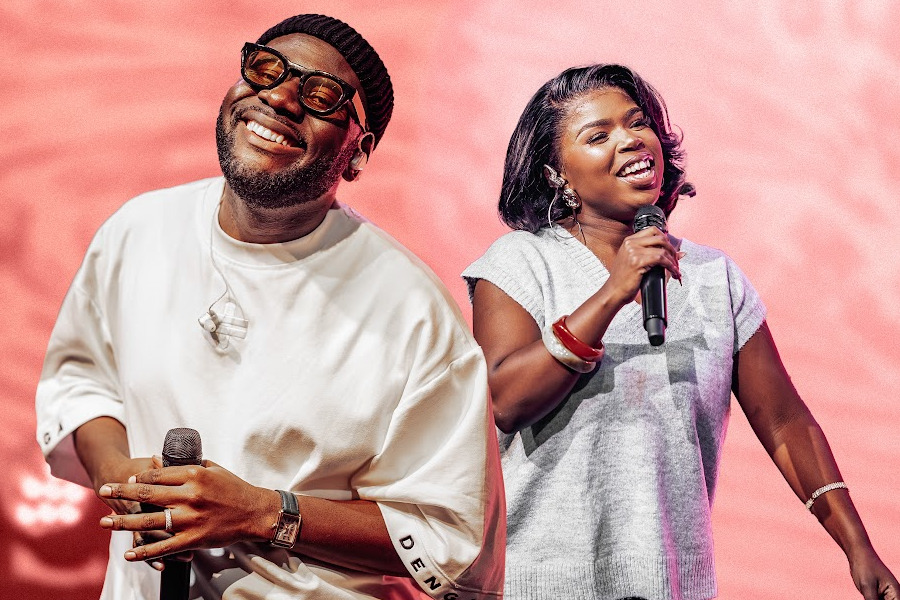
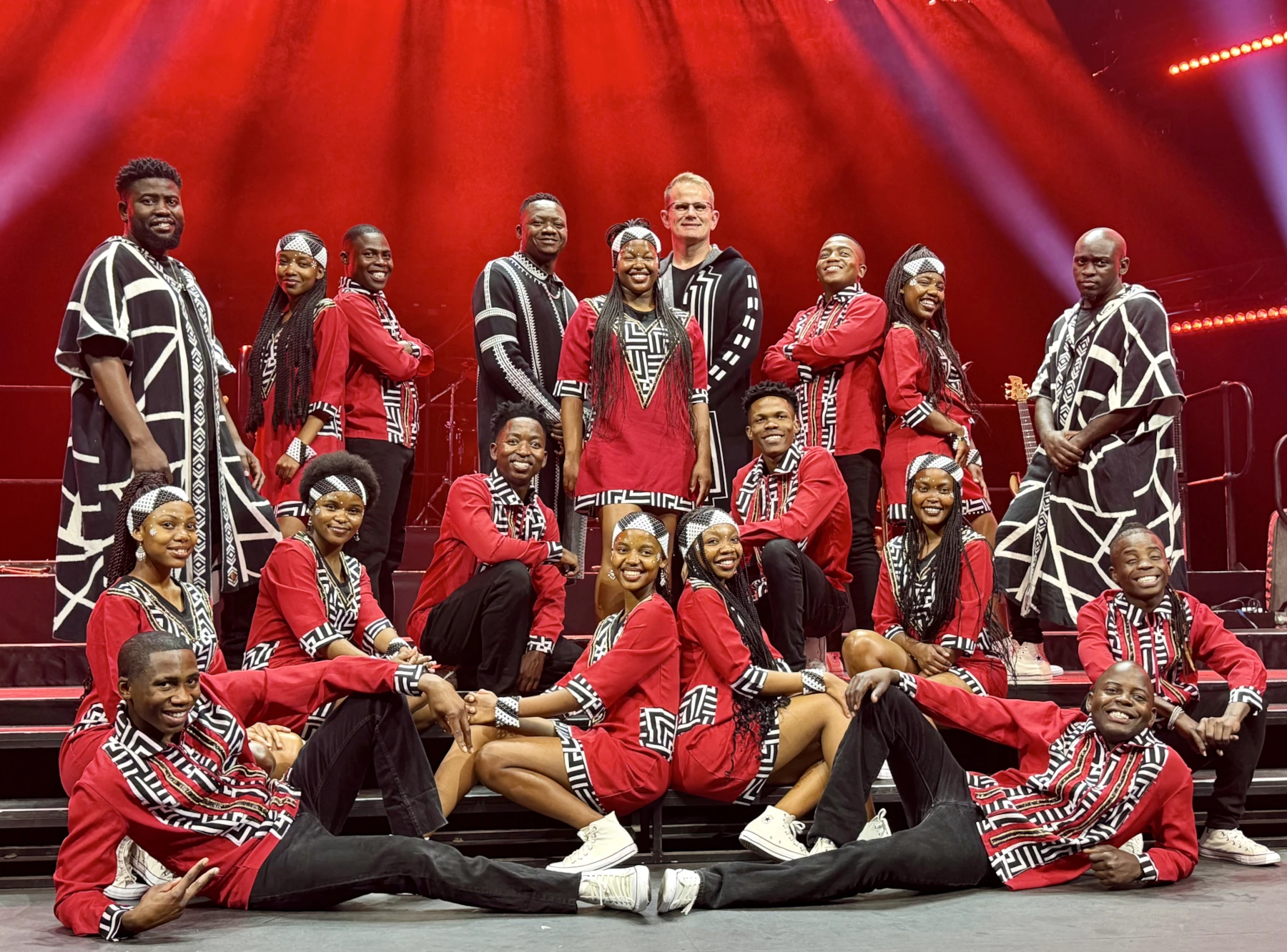
The graduation event, held at Warner Music Group’s Johannesburg offices, brought together senior industry figures such as Ryan Hill of Universal Music Publishing and Adam Tiran, General Manager at Africori Digital Music Solutions. The day also featured live performances from Hip-hop artist Leezy Lindokuhle and DJ T.EM, alongside MBL alumni including singer Kele M, jazz-gospel artist Nokuthula Fundama and artivist Namhla Bhadela.
A key moment came during an industry conversation moderated by Siya “Slikour” Metane, featuring leaders like Munya Chanetsa of EMPIRE Africa, Tumi Mogapi of Africori and Women in Music South Africa, Melanie G. Ramjee of Tutone Communications, and Karabo Senna from SAMRO. The discussion, themed “Building the Future of African Music,” focused on how business literacy is becoming essential for survival in a fast-changing global music landscape.
According to Lesego Maforah, Head of CSI at SAMRO, the programme is about strengthening the entire music value chain. “The knowledge gained here has the potential to influence careers, create employment opportunities, unlock new revenue streams and ensure more creators receive fair value for their work,” she said.
Founder Ninel Musson reflected on the programme’s growth since its 2023 pilot, describing it as one of the most impactful publisher development initiatives in South Africa’s creative economy. Graduates also received certification through the University of Pretoria, adding academic weight to their practical training, while a new initiative — The Songwriters Club — was announced to support female songwriters within the MBL alumni network.
What stands out in this story is not only the scale of participation, but the geography behind it. These are not Johannesburg-only success stories. They are artists travelling from smaller towns and provinces, carrying the ambition to plug into a national and increasingly global industry. In many ways, the programme reflects a broader South African reality: talent is everywhere, but access to knowledge and networks is often uneven.
That raises a bigger question for the local industry: why should South African readers care? Because the future of music here is no longer just about hits and fame. It is about ownership, contracts, royalties, and the ability for creators to build generational wealth from their work. Programmes like MBL are quietly reshaping that foundation.
In a country where music has always been both cultural expression and economic survival, initiatives like this signal a shift toward sustainability. They suggest that the next generation of South African music leaders may not only be performing on global stages, but also understanding — and owning — the systems behind the sound.