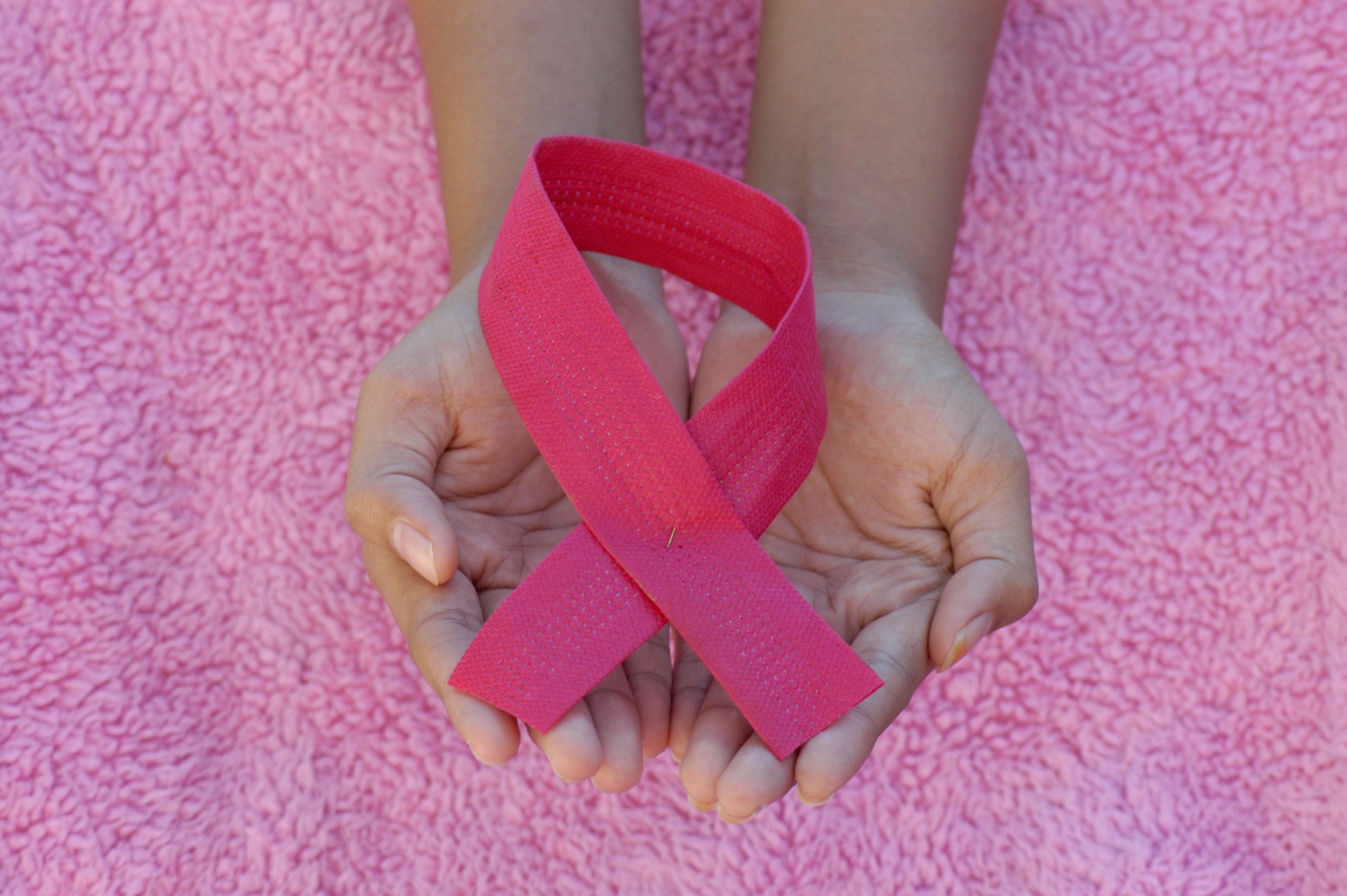
October marks Breast Cancer Awareness Month, a global campaign dedicated to raising awareness about breast cancer, promoting early detection, and supporting those affected by the disease. As the most common cancer among women worldwide, breast cancer has a profound impact on individuals, families, and communities.
Understanding Breast Cancer
According to the World Health Organisation (WHO), breast cancer is a disease in which abnormal breast cells grow uncontrollably and form tumours. If left untreated, these tumours can spread to other parts of the body and become life-threatening.
WHO explains that breast cancer cells usually begin inside the milk ducts and can spread into nearby breast tissue — a process called invasion. There are several types of breast cancer, including ductal carcinoma, lobular carcinoma, and inflammatory breast cancer.
Common breast cancer symptoms include:
- Itchy breasts
- Pain in any part of the breast
- Lumps that may or may not be painful
- Changes in breast texture, such as hardness or tenderness
- Skin changes, including swelling or visible differences in appearance
While these signs can vary, any noticeable change in the breast should be examined by a healthcare professional as soon as possible.
Healthy lifestyle habits can help reduce the risk of breast cancer. These include maintaining a healthy weight, staying physically active, breastfeeding, quitting smoking, and avoiding prolonged use of hormones without medical supervision.
Breast Cancer in South Africa
According to Moto Health Care, the incidence of breast cancer among South African women is rising. It is now one of the most common cancers in the country. However, early detection can lead to effective treatment and a positive outcome.
Moto Health Care notes that around 90% of patients survive for many years when breast cancer is detected at an early stage. The female gender remains the strongest risk factor, with WHO estimating that about 99% of breast cancer cases occur in women, while 0.5% to 1% occur in men.
Interestingly, about half of breast cancers develop in women who have no identifiable risk factors other than being female and over the age of 40. While family history can increase risk, most women diagnosed with breast cancer do not have a known family history of the disease.
Raising Awareness and Supporting Each Journey
October provides an opportunity to honour the millions of lives affected by breast cancer. The 2025 theme, “Every Story is Unique, Every Journey Matters,” recognises the diversity of experiences and reinforces the importance of compassionate, timely, and quality care for everyone — regardless of geography, income, or background.
According to WHO, each breast cancer diagnosis is deeply personal. This theme reminds us that every journey deserves compassion, dignity, and support, as breast cancer affects women and their families differently across the world.
The main goals of Breast Cancer Awareness Month 2025 are to:
- Promote early detection and regular screening
- Advocate for improved access to healthcare
- Support individuals with lived experiences
- Raise funds for breast cancer research, education, and support services
Breaking Down the Stigma
Breast cancer is often surrounded by stigma and fear, preventing many from speaking up or seeking help. By sharing stories, raising awareness, and supporting open conversations, we can help break down these barriers and empower women to prioritise their breast health.
It’s essential to create a supportive environment where women feel comfortable discussing their bodies, recognising warning signs, and taking proactive steps towards early detection.