South Africa’s Coalition Government Faces Tough Challenges
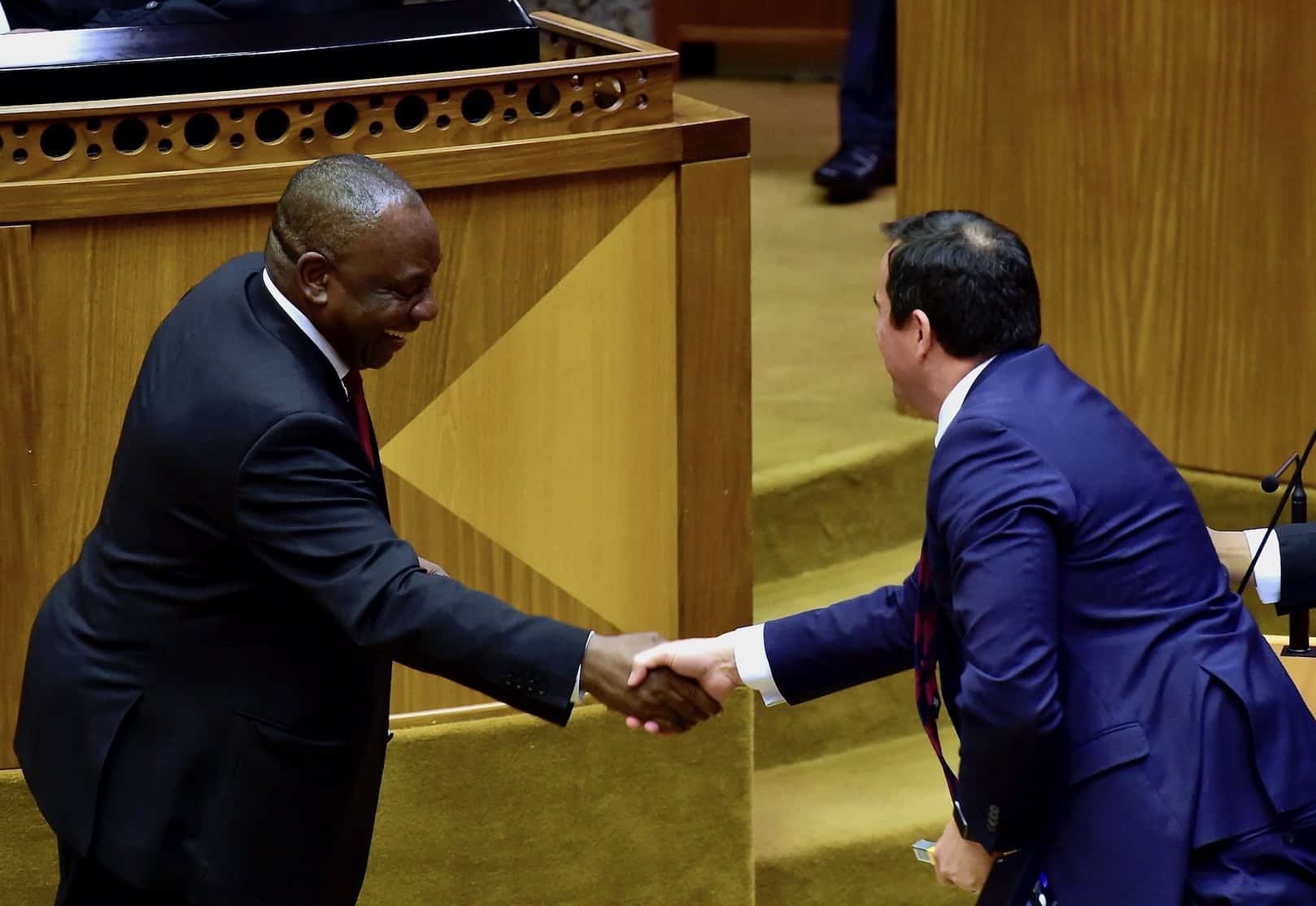
South Africa’s political landscape is currently embroiled in intense negotiations as the African National Congress (ANC) and the Democratic Alliance (DA) struggle to form a cohesive coalition government. The country has reached a critical juncture, with the ANC losing its majority for the first time since the end of apartheid. This shift necessitates a new approach to governance, but it has also led to significant friction between the two largest parties.
President Cyril Ramaphosa, who recently commenced his second term, has been unable to finalize his cabinet due to disagreements over the distribution of power. The DA, led by Helen Zille, has demanded 12 out of 30 cabinet positions, reflecting its 21.8% vote share in the recent election. Additionally, Zille insists on the DA holding key roles such as the deputy president and deputy finance minister. The ANC, which secured 40.2% of the vote, has labeled these demands as excessive.
The negotiations have seen both parties adjust their stances, with the ANC offering six cabinet positions while the DA has reduced its demand to eight. The DA’s focus on high-profile ministries like minerals and energy, trade and industry, and justice underscores its strategic priorities. Despite the ongoing talks, the ANC maintains that cabinet appointments fall under Ramaphosa’s jurisdiction and should not be unduly influenced by coalition dynamics.
Peter Attard Montalto, managing director of consultancy Krutham, highlights the precarious nature of these negotiations. He notes that while there is potential for the DA to exit the coalition talks, a compromise remains likely. However, the political uncertainty has already impacted financial markets, with the rand depreciating and equity markets experiencing volatility.
The coalition government now includes ten parties, each with its own expectations for cabinet positions. This diverse mix complicates the negotiation process further. The Patriotic Alliance, led by Gayton McKenzie, has criticized the DA’s approach, emphasizing the need for humility and prioritizing national interests over political gains.
Political analysts stress the importance of Ramaphosa and DA leader John Steenhuisen securing reasonable agreements within their respective parties. Successful coalition governance requires long-term strategic cooperation, beyond just the allocation of cabinet seats.
South Africa’s coalition government faces a challenging road ahead. The outcome of these negotiations will significantly influence the country’s political stability and economic future. Hopefully as the parties navigate these complexities, the overarching goal will remain the effective and inclusive governance of South Africa.